
Timber decking is an outdoor flooring system made from natural wood boards installed over a supporting substructure. In Malaysia, it is commonly used for terraces, patios, gardens, balconies, and other outdoor areas. This timber decking guide is for Malaysian property owners who are interested in decking their garden or outdoor spaces.
Timber species, moisture exposure, structural support, ventilation, drainage, installation quality and ongoing maintenance all affect how a deck performs over time. Malaysia's warm, humid and frequently wet conditions place particular demands on outdoor timber.
Natural timber continually responds to its environment by absorbing and releasing moisture, which can cause dimensional movement. Strong sunlight, rainfall and biological growth can also influence its appearance and condition.
Selecting suitable timber decking materials and installing them correctly requires an understanding of both the wood and the environment in which it will be used. Keep reading to learn the main material considerations, installation principles, maintenance, and durability factors of timber decking.
WHAT IS TIMBER DECKING?
Timber decking is a raised or supported outdoor surface constructed using natural wood boards fixed to joists or another suitable substructure. Because wood is a natural material, natural timber is particularly valued for its grain variation and individual character.
A typical timber deck consists of several components:
- ✓ Decking boards that form the finished surface.
- ✓ Joists or supporting members beneath the boards.
- ✓ Fasteners or fixing systems that secure the boards.
- ✓ Appropriate gaps that allow drainage and timber movement.
- ✓ A prepared base or supporting structure suited to the installation area.
The exact construction varies according to the location, timber species, deck height and underlying surface. A ground-level garden deck, for example, has different drainage and ventilation requirements from a balcony deck installed over an existing concrete floor.
UNDERSTANDING TIMBER DECKING MATERIALS
Timber decking materials differ in density, stability, durability, grain, colour and maintenance requirements. These characteristics determine how a particular wood behaves outdoors and whether it is appropriate for the intended application.
Hardwood decking is commonly associated with outdoor construction because many hardwood species have the density and natural durability needed for exterior conditions. However, the term "hardwood" alone does not establish whether a timber is suitable for decking. Individual species have different physical properties and resistance to environmental exposure.
Important material characteristics include density, moisture behaviour, dimensional stability, natural durability and surface characteristics. These factors should be assessed together rather than selecting timber based only on colour.
Natural Timber
Natural timber is wood that retains the inherent grain, colour variation and physical characteristics of the source species. When used outdoors, it gradually responds to weather exposure and may change colour over time.
Natural timber has several characteristics relevant to decking:
- Grain and colour vary naturally between boards.
- The material can expand and contract as moisture conditions change.
- Surface weathering occurs under UV and rain exposure.
- Maintenance can influence appearance and service conditions.
- Individual species have different durability characteristics.
The way natural timber ages is part of its material behaviour. Owners who want to retain a particular colour or finish usually need a different maintenance approach from those who are comfortable with natural weathering.
Hardwood Decking
Hardwood decking uses timber from hardwood species selected for their physical and exterior-use characteristics. Tropical hardwoods are particularly relevant in Malaysia because several species have traditionally been used for outdoor construction in the region.
Density is one consideration, but it should not be treated as the only measure of performance. A successful outdoor deck also depends on appropriate timber preparation, board dimensions, fixing methods, drainage, ventilation and workmanship.
Timber Species Matter
A timber species determines many of the inherent properties of a decking board. Different species have different densities, movement characteristics, natural durability, colours and grain patterns.
Species selection should therefore be based on the actual outdoor environment and project requirements. Choosing solely according to appearance can overlook important practical considerations such as exposure, maintenance expectations and installation conditions.
COMMON TIMBER SPECIES FOR OUTDOOR DECKING
Timber species used for outdoor decking vary according to availability, project specifications and desired performance. In Malaysia, tropical hardwoods such as Chengal, Merbau and Balau are among the names commonly associated with exterior timber applications, while other durable hardwoods may also be considered for specific projects.
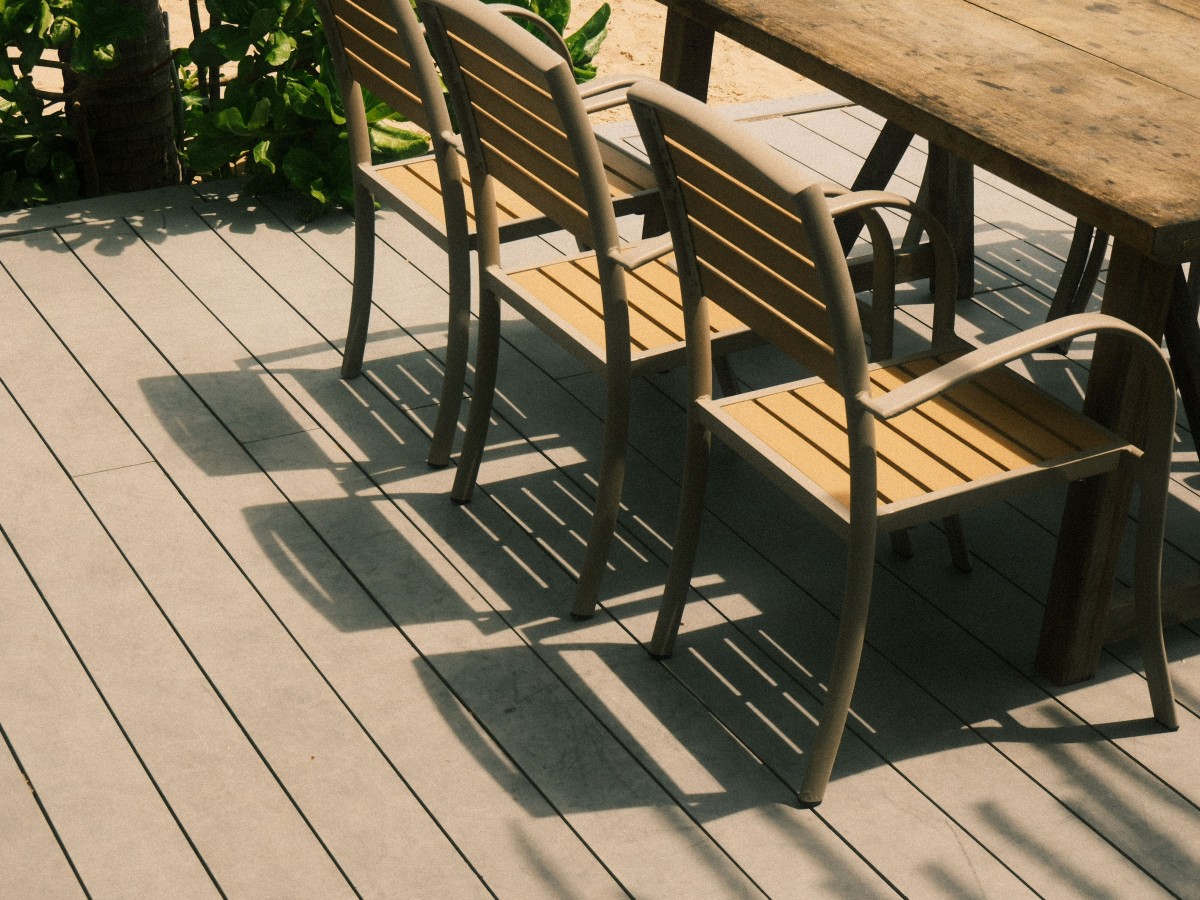
Chengal
Chengal is a Malaysian hardwood historically associated with demanding structural and exterior applications. Its density and natural durability have made it a recognised timber for outdoor construction.
For decking, Chengal is often considered where natural hardwood characteristics and long-term outdoor use are priorities. Its appearance can vary between boards, and like other natural timber, its surface will change as it is exposed to weather.
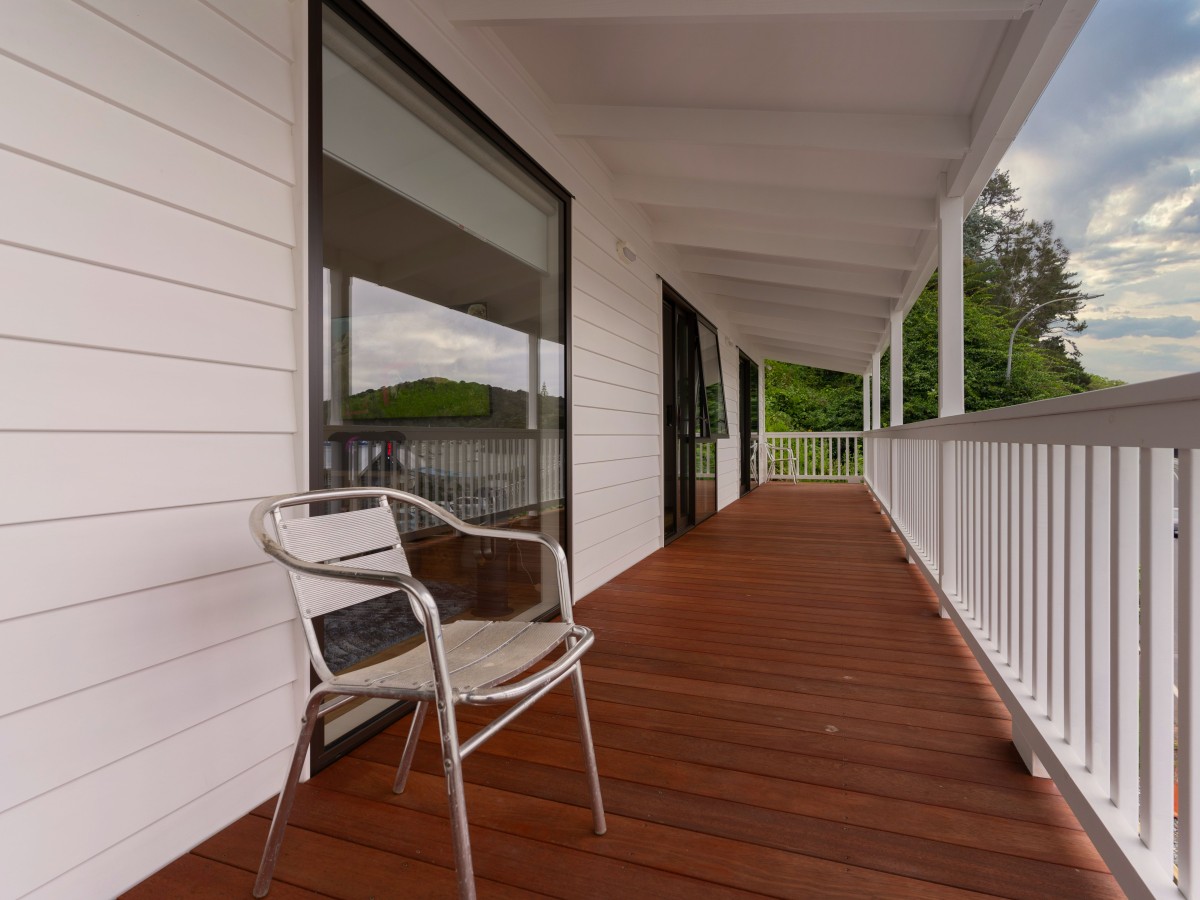
Merbau
Merbau is a dense tropical hardwood used for flooring, decking and other timber applications. It is generally recognised by its warm brown to reddish-brown tones and distinctive grain.
Its physical characteristics can make it suitable for exterior applications when properly specified and installed. Because natural colour and extractives can vary, the expected behaviour of the material should be considered during project planning.
Like other hardwood decking, Merbau should not be treated as maintenance-free. Cleaning, inspection and appropriate surface care remain relevant to long-term use.
Balau
Balau refers to timber from a group of dense tropical hardwood species that are commonly associated with exterior construction. It is used for applications where a robust natural wood surface is required.
Its density affects cutting, drilling and fastening, making correct installation practices important. Appropriate fixing methods can help minimise problems associated with board movement or unsuitable fastening.
Colour and grain vary naturally. Outdoor exposure can gradually alter the original surface appearance.
Belian
Belian is a dense tropical hardwood known for its historical use in demanding outdoor and structural applications. Its material properties have made it associated with durability in exposed environments.
Teak
Teak is an internationally recognised timber used for exterior furniture, marine-related applications and outdoor surfaces. Its natural oils and dimensional characteristics contribute to its use in exposed conditions.
Burmese Teak and other teak sources may differ in grade, origin and availability. Proper identification and sourcing are therefore important when comparing teak products.
The surface typically changes with outdoor exposure. Maintaining a particular appearance requires appropriate care, while untreated surfaces may gradually develop a weathered tone.
CHOOSING TIMBER FOR MALAYSIA'S CLIMATE
Timber for Malaysia's climate should be selected according to its ability to cope with frequent moisture, high relative humidity, strong sunlight and repeated wet-dry cycles. The installation system must also allow the wood to drain and ventilate effectively.
Malaysia's tropical conditions can affect decking differently from environments with long dry seasons. Rainfall may wet the boards repeatedly, while high humidity can slow drying in sheltered areas.
Several environmental factors deserve particular attention.
Rain and Surface Moisture
Rainfall exposes outdoor timber to repeated wetting. A deck should therefore be designed so water can leave the surface instead of remaining trapped around the boards or supporting structure.
Board spacing, surface falls where applicable and drainage beneath the deck all contribute to moisture management. Areas with persistent standing water require investigation because the problem may originate from the surrounding construction rather than the timber itself.
High Humidity
High humidity influences the moisture content of natural wood. Timber can absorb moisture from its surroundings and release it when conditions become drier.
This movement is normal. Correct board spacing and installation methods accommodate reasonable dimensional changes rather than attempting to prevent the wood from moving entirely.
Sunlight and UV Exposure
Sunlight affects the exposed surface of timber and can gradually change its colour. Areas receiving direct sun may weather differently from shaded portions of the same deck.
A partially covered terrace can therefore develop visible colour variation between exposed and sheltered sections. Surface treatments can influence this process, but they require maintenance according to their intended use.
Shade and Slow-Drying Areas
Shaded outdoor spaces can remain damp longer after rainfall or cleaning. Moisture combined with organic debris may encourage algae, mould or other surface growth.
Good airflow and regular cleaning are particularly important in these locations. Plants, pots and furniture should also be managed so they do not continually trap moisture against the timber.
TIMBER DECKING INSTALLATION AND SUBSTRUCTURE
Timber decking installation depends on a stable substructure, appropriate board spacing, suitable fasteners and effective moisture management. The visible boards are only one part of the system; the construction underneath has a major influence on deck performance.
Installation requirements are determined according to the timber species, board profile, site conditions and supporting base.
Site Assessment and Preparation
Timber decking sites are assessed for dimensions, levels, drainage, access, exposure and the condition of the underlying surface before installation begins. These factors determine how the supporting system can be constructed.
The base should be capable of supporting the intended deck system. Existing concrete surfaces may require a different approach from soil, landscaped areas or elevated structures.
The Role of the Substructure
The substructure is the framework that supports the decking boards and distributes loads. It normally includes joists or equivalent supporting members positioned at intervals appropriate for the selected boards and installation system.
A properly designed substructure helps keep the surface stable and maintains consistent support. It also creates space beneath the boards for drainage and ventilation.
The materials used below the deck should be suitable for the environment in which they will operate. An attractive surface cannot compensate for a poorly planned supporting system.
Joist Spacing
Joist spacing affects how well the decking boards are supported. The appropriate interval depends on factors such as board dimensions, timber properties, expected loads and installation orientation.
Spacing that is too wide can allow excessive board deflection. Installing additional supports without a clear structural reason, however, is not a substitute for following an appropriate system design.
Board Spacing
Gaps between timber boards provide room for drainage, ventilation and natural dimensional movement. The appropriate gap depends partly on the timber's condition at installation and its expected moisture behaviour.
Very narrow gaps can become problematic if boards expand or debris blocks water movement. Excessively wide gaps can affect comfort and appearance.
Fasteners and Fixing Methods
Fasteners secure decking boards to the supporting structure while allowing the system to remain stable under normal use and environmental movement. Screws and concealed fixing systems are among the approaches used for timber decks.
Fastener selection should be compatible with the timber and outdoor conditions. Dense hardwood may require pre-drilling or specific installation procedures to reduce the risk of splitting. Concealed systems can reduce visible fixings on the finished surface, but they must still provide appropriate mechanical support.
DRAINAGE AND VENTILATION BENEATH TIMBER DECKING
Drainage and ventilation allow a timber deck to dry more effectively after rain, washing and exposure to humid conditions. Both are particularly important in Malaysia because prolonged moisture can affect timber and the surrounding structure.
Water should have a clear route away from the decking system. Drain outlets, channels and existing falls should remain functional after installation.
Ventilation helps reduce differences between the conditions at the top and underside of the boards. Completely enclosing the space beneath a timber deck without considering airflow can create an environment where moisture remains trapped.
The following design principles generally support moisture management:
- ✓ Keep drainage routes clear and accessible.
- ✓ Provide suitable gaps between boards.
- ✓ Allow airflow beneath the deck where the installation permits it.
- ✓ Avoid unnecessary contact between timber and persistent standing water.
- ✓ Check that landscaping does not obstruct drainage.
Drainage requirements can vary substantially between balconies, gardens, rooftops and pool areas. Site-specific assessment is therefore necessary.
MAINTENANCE REQUIREMENTS FOR TIMBER DECKING
Timber decking maintenance involves routine cleaning, inspection and, where required, surface treatment. The objective is to keep the deck functional and identify developing problems before they become more difficult to address.
Maintenance frequency depends on exposure. A fully exposed garden deck may require a different routine from a sheltered balcony.
Routine Cleaning
Routine cleaning removes dirt, leaves and organic material that can retain moisture on the surface. Regular removal of debris also keeps gaps and drainage paths from becoming obstructed.
Cleaning methods should be appropriate for the timber and its finish. Excessively aggressive techniques can damage fibres or existing coatings.
A practical routine generally includes:
- Sweep or remove loose debris.
- Clean accumulated dirt using an appropriate method.
- Check gaps and drainage points for blockage.
- Allow the deck to dry properly.
- Inspect the surface for changes requiring attention.
Cleaning is also an opportunity to check areas beneath movable furniture or plant containers where moisture may remain longer.
Surface Treatments
Surface treatments can be used to influence timber appearance and provide a maintained finish. The appropriate product and application schedule depend on the timber, previous treatments and exposure conditions.
A coating should not be treated as a substitute for good drainage or installation. Surface products cannot correct water trapped beneath boards or structural problems in the substructure.
Before applying a new treatment, the existing surface condition should be assessed. Applying incompatible products or coating over contamination can lead to an uneven result.
Mould and Algae
Mould and algae can develop where moisture, shade and organic material create suitable conditions. Their presence is not determined by the timber species alone because the surrounding environment plays an important role.
Cleaning and moisture management are the main considerations. Persistent recurrence may indicate poor drying, blocked drainage or a location that receives limited airflow.
Inspection
Regular inspection helps identify loose boards, raised fixings, localised movement, damaged components and drainage problems. High-use areas such as steps and access routes deserve particular attention.
An inspection should consider both the surface and accessible supporting components. Changes should be assessed according to their cause rather than assuming every visible mark requires board replacement.
NATURAL WEATHERING AND COLOUR CHANGE
Natural timber changes appearance when exposed to sunlight, rain and normal outdoor conditions. Colour change is therefore expected and does not automatically indicate structural deterioration.
UV exposure gradually alters the original surface colour. Depending on the timber and treatment, the deck may become lighter, darker or eventually develop a grey weathered appearance.
Different parts of a deck can weather at different rates. Covered sections, areas beneath furniture and exposed edges may show different colours because they receive different amounts of sunlight and rain.
Owners generally have two broad approaches to appearance. They can allow the timber to weather naturally, or maintain a selected finish using appropriate cleaning and surface treatments.
The choice is largely an appearance and maintenance decision. Structural condition should be assessed separately from surface colour.
DURABILITY AND EXPECTED LIFESPAN
The durability of timber decking depends on the timber species, material quality, installation, moisture conditions, exposure, maintenance and the condition of the substructure. A single lifespan figure cannot accurately describe every timber deck.
Natural durability is important, but it is only one part of long-term performance. Even durable hardwood can perform poorly if installed in conditions that continually trap water or prevent ventilation.
Factors that can influence service life include:
| Factor | Why It Matters |
|---|---|
| Timber species | Determines inherent density, stability and natural durability characteristics |
| Material condition | Quality and preparation affect board performance |
| Substructure | Provides support and influences drainage beneath the deck |
| Installation | Correct spacing and fastening accommodate movement |
| Water management | Persistent moisture can increase deterioration risk |
| Ventilation | Supports drying after rain and cleaning |
| Maintenance | Helps control debris and identify defects |
| Exposure | Sun, rainfall and shade influence weathering conditions |
A well-planned deck therefore treats durability as a system outcome rather than a property of the surface boards alone.
COMMON OUTDOOR APPLICATIONS FOR TIMBER DECKING
Timber decking can be used across residential, landscape and commercial outdoor spaces where a raised or finished natural wood surface is appropriate. The application determines the exposure, traffic and design requirements that need to be considered.
Patios and Terraces
Patios and terraces use timber decking to create defined outdoor living surfaces. These areas may accommodate seating, dining furniture and pedestrian circulation.
Drainage and furniture placement should be considered during planning. Large objects should not unnecessarily obstruct water movement or make inspection difficult.
Balconies
Balcony timber decking is normally installed over an existing structural surface. The deck must therefore work with existing drainage outlets, door thresholds and level constraints.
Access to drainage points should be considered because the decking should not prevent routine building maintenance.
Gardens and Landscaped Areas
Garden decking can connect pathways, planting areas and outdoor seating spaces. Ground conditions and surrounding vegetation are particularly relevant.
Leaves and soil can accumulate around boards, while plants may reduce airflow. The design should allow routine cleaning and avoid creating concealed areas where water collects.
Pool Surrounds
Poolside timber is exposed to frequent surface moisture in addition to normal weather. Material selection, board condition, drainage and surface characteristics therefore require careful consideration.
The deck should be inspected regularly because wet areas have different maintenance demands from dry terraces.
Commercial Outdoor Areas
Restaurants, hospitality spaces and other commercial properties may use timber decking for terraces, walkways or landscaped areas. Higher foot traffic can increase wear and maintenance requirements.
Commercial applications may also involve accessibility, loading and operational considerations beyond those of a typical residential deck. These requirements should be addressed during project planning.
HOW TO CHOOSE THE RIGHT TIMBER DECKING
Choosing timber decking requires matching the material and construction system to the site's environmental conditions, intended use and maintenance expectations. Appearance should be considered alongside technical requirements rather than in isolation.
A structured selection process can help narrow the available options.
COMMON TIMBER DECKING CONSIDERATIONS
Most timber decking issues are influenced by a combination of material behaviour, installation and environmental exposure. Recognising these factors early can reduce avoidable problems.
Board Movement
Expansion and contraction are normal characteristics of natural wood. Appropriate spacing and fixing methods are intended to accommodate expected movement.
Unusual movement should be assessed in relation to moisture exposure, installation and board condition rather than attributed automatically to the timber species.
Surface Checking
Small surface checks can develop as timber repeatedly wets and dries. Their significance varies according to size, depth and location.
A visual change does not necessarily indicate structural failure. Significant or progressing defects should nevertheless be inspected.
Loose or Raised Fixings
Fasteners can require attention over the service life of a deck. Loose or protruding components should be corrected because they can affect board stability and walking comfort.
The underlying cause should also be checked, particularly where the same problem repeatedly occurs.
Uneven Weathering
Different exposure levels can produce different colours across a deck. This is common where roofs, furniture, planters or surrounding buildings create areas of shade. Consistent exposure cannot always be achieved, so appearance expectations should account for natural variation.
TIMBER DECKING AND RESPONSIBLE MATERIAL SELECTION
Responsible timber selection considers material origin as well as physical performance. Buyers should seek clear information about timber species and sourcing when evaluating natural hardwood decking.
Timber identification matters because different species can have substantially different properties. Generic descriptions such as "hardwood" provide less useful information than a clearly identified species.
Documentation and recognised sourcing information can provide additional transparency where available. Project requirements may also specify particular sourcing or certification standards.
Material efficiency is another consideration. Accurate planning can reduce unnecessary cutting and waste during installation, while appropriate maintenance can help extend the useful service of installed materials.
FREQUENTLY ASKED QUESTIONS ABOUT TIMBER DECKING
Is timber decking suitable for Malaysia's weather?
Timber decking can be suitable for Malaysian outdoor conditions when an appropriate timber species and installation system are selected. Drainage, ventilation, board spacing and maintenance are especially important because decks are exposed to frequent rain and high humidity.
Which timber is commonly used for outdoor decking in Malaysia?
Chengal, Merbau and Balau are among the tropical hardwood names commonly associated with outdoor timber applications in Malaysia. Other hardwoods, including teak and Belian, may also be considered depending on project requirements and availability. Suitability should be assessed according to the actual species, source, site and intended use.
Does outdoor timber decking require maintenance?
Yes. Natural timber decking requires routine cleaning and inspection, while additional surface treatment may be needed if a particular appearance or finish is to be maintained. Maintenance requirements vary according to exposure, timber and site conditions.
Why are gaps required between timber decking boards?
Gaps help accommodate natural timber movement while allowing water and debris to pass between boards. They also contribute to ventilation around the decking system. The appropriate spacing depends on the material and installation conditions.
Will timber decking change colour outdoors?
Yes. Natural timber generally changes colour when exposed to sunlight, rainfall and weathering. The rate and appearance of this change depend on the species, exposure and any surface treatment used.
Can timber decking be installed over concrete?
Timber decking can be installed over suitable concrete surfaces using an appropriately designed supporting system. Existing drainage, available height, ventilation and the condition of the concrete need to be assessed before installation.
Is hardwood decking maintenance-free?
No. Natural hardwood may have favourable durability characteristics, but it still requires cleaning and periodic inspection. Maintaining a particular surface colour or finish can also require additional care.
What causes mould or algae on outdoor timber decking?
Mould and algae are more likely where moisture, shade and organic material remain on or around the deck. Regular cleaning, clear drainage and adequate airflow can help manage these conditions. Persistent growth may indicate that the area is drying too slowly.
How long does timber decking last?
There is no single lifespan that applies to all timber decking. Service life depends on timber species, material quality, substructure, installation, drainage, exposure and maintenance. Evaluating the complete decking system provides a more useful indication of durability than relying on the species alone.
BUILDING A TIMBER DECK FOR LONG-TERM OUTDOOR USE
A successful timber deck combines appropriate natural timber with a supporting system designed for the conditions in which it will operate. Timber species matters, but drainage, ventilation, board spacing, fastening and ongoing maintenance are equally important to long-term performance.
For Malaysian properties, moisture management deserves particular attention because rainfall and humidity can keep outdoor surfaces wet for extended periods. Understanding natural weathering and dimensional movement also helps property owners maintain realistic expectations about how timber changes after installation.