
Natural timber decking provides a genuine wood surface that combines distinctive grain, natural colour variation, outdoor functionality and the ability to weather gradually with its surroundings. In Malaysia, timber decking can be considered for balconies, patios, terraces, gardens, pool surrounds and suitable commercial spaces.
The benefits of timber decking are most relevant to property owners and designers who value the characteristics of real wood and understand that timber naturally changes when exposed to outdoor conditions. Unlike manufactured materials designed to reproduce a timber appearance, natural wood has grain, texture, and colour formed by the growth of the tree, which gives a completed deck natural variation.
The advantages of wood decking extend beyond appearance. Appropriate natural timber can provide a durable, repairable and adaptable outdoor surface when the material and construction are matched to the environment.
WHAT MAKES NATURAL TIMBER DECKING DIFFERENT?
Natural timber decking consists of solid wood boards rather than boards manufactured from a mixture of wood-derived fibres and polymers. Its physical and visual characteristics are therefore determined by the timber species, grain structure, density, moisture behaviour and natural variation within the wood.
This distinction affects both appearance and performance. A timber deck does not remain completely unchanged after installation. Rain, sunlight, humidity and everyday use gradually influence its colour and surface.
For many projects, this natural ageing is part of the material's character rather than something that needs to be completely prevented.
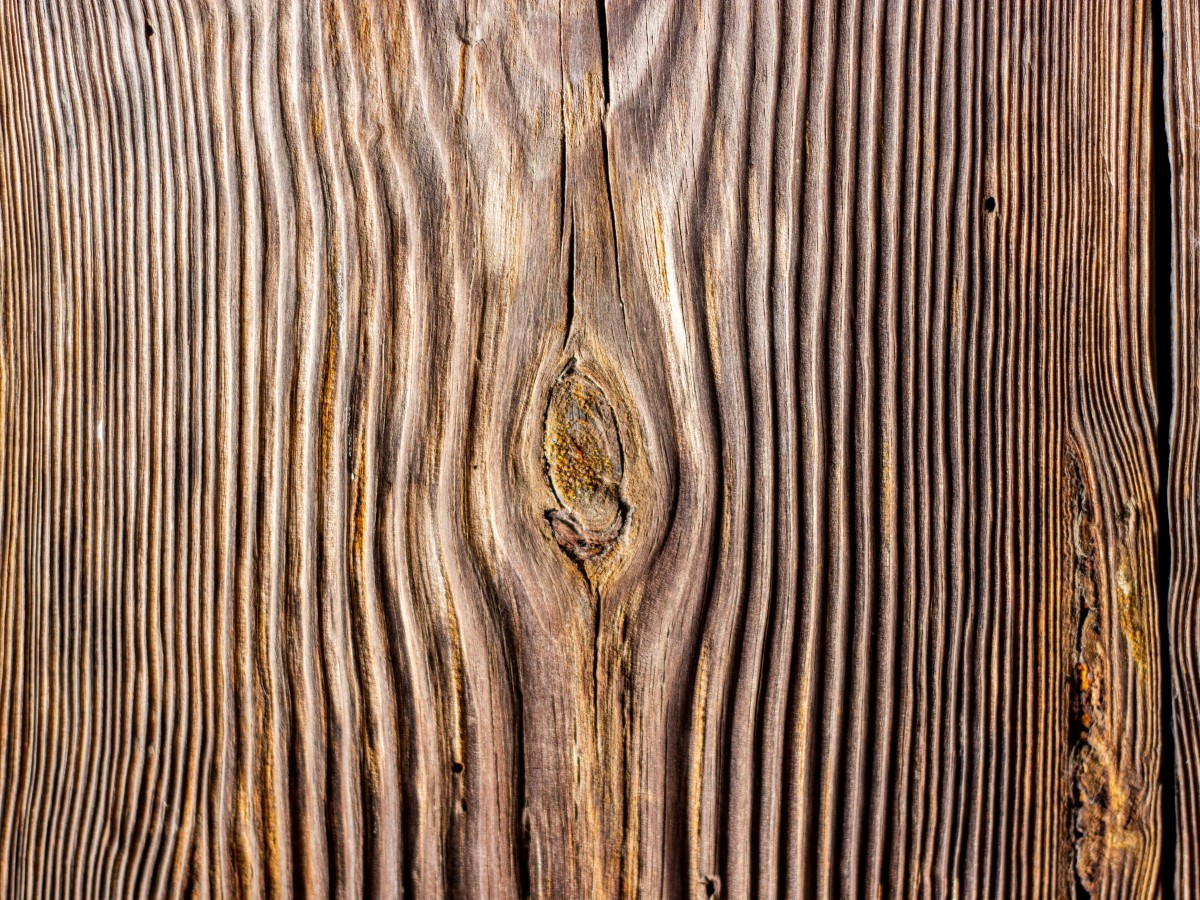
Genuine Wood Grain
Wood grain is created by the natural growth structure of a tree. Each decking board therefore has individual grain patterns, colour variations and other natural features. Even boards produced from the same species do not look completely identical.
Manufactured surfaces can reproduce wood-inspired patterns, but they do not create the same naturally occurring variation.
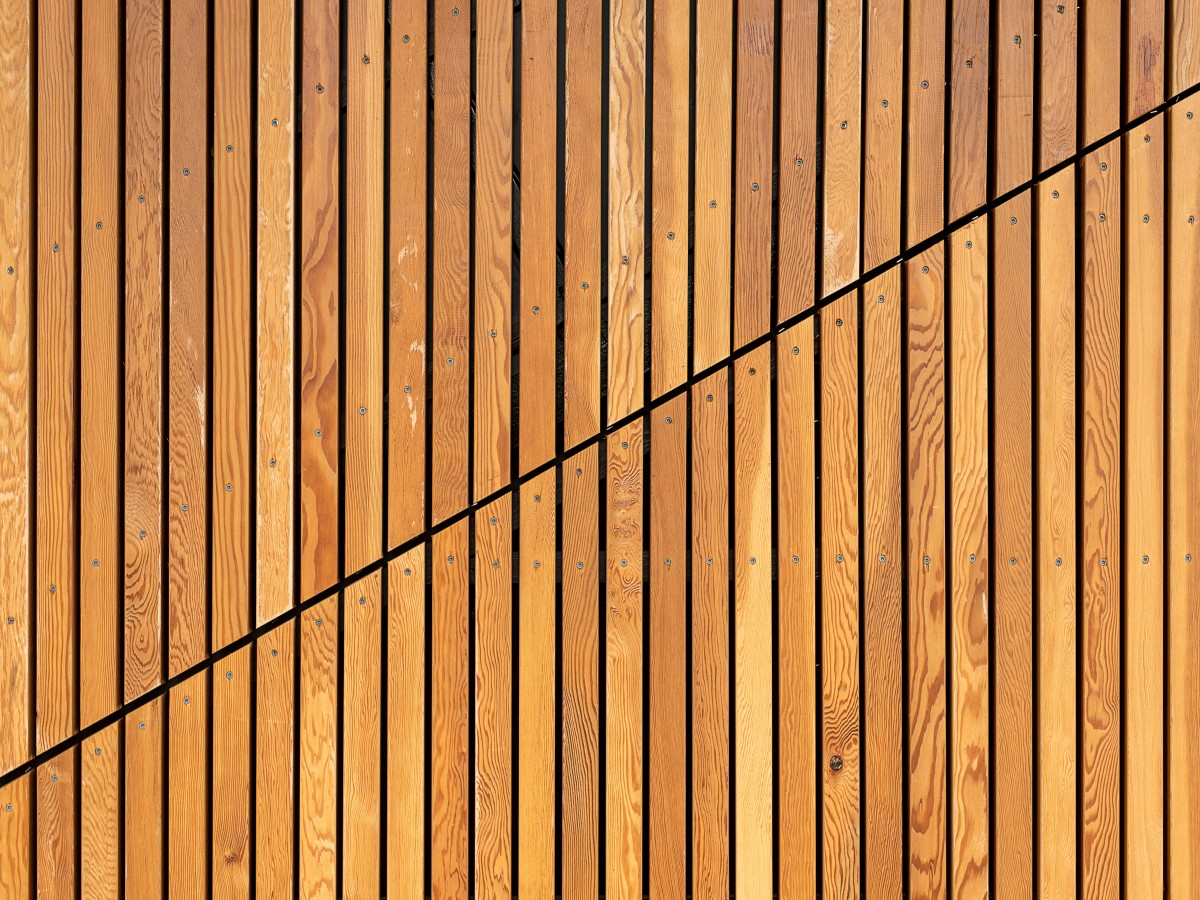
Natural Material Variation
Natural variation means timber should not be selected with the expectation of complete visual uniformity. One board may be slightly lighter or darker than another. Grain direction and visible features can also vary.
Thoughtful board selection and arrangement during installation can distribute these differences across the deck and create a balanced overall appearance.
Natural Appearance and Texture
One of the main natural timber decking benefits is its authentic appearance and texture. Timber provides a surface whose visual characteristics come from the material itself rather than a printed or embossed representation of wood.
Connection With Outdoor Landscapes
Timber visually relates to trees, plants and other natural materials commonly found in outdoor environments. Garden decks, landscaped terraces and outdoor seating areas can therefore use timber to create a clear relationship between built and planted areas.
The material does not need to imitate its surroundings because it is itself a natural material.
Compatibility With Different Architectural Styles
Timber decking can be used with contemporary, tropical, minimalist and more traditional architectural approaches. The overall effect depends on timber species, board dimensions, colour, layout and surrounding finishes.
A darker hardwood can create a different visual relationship from a lighter or naturally weathered deck, even when the construction method is similar.
Natural Weathering
Outdoor timber gradually changes colour under sunlight and environmental exposure. Some species may lighten or darken before eventually developing a more weathered appearance. Untreated or naturally weathered timber can become grey over time.
This process does not automatically mean the wood has structurally deteriorated. Owners can either accept natural weathering or use compatible surface treatments where maintaining a particular appearance is desired.
TIMBER SPECIES PROVIDE DIFFERENT VISUAL OPTIONS
Natural timber provides different colours, grains and physical characteristics depending on the species selected. This allows material selection to be based on more than a generic "wood look".
Hardwoods associated with outdoor applications in Southeast Asia include Chengal, Merbau, Balau, Belian and teak.
Chengal
Chengal is a Malaysian tropical hardwood known for its dense structure and natural durability characteristics. Its appearance can include warm brown tones and natural grain variation.
For projects where Malaysian hardwood is part of the design intent, Chengal can be considered alongside its sourcing, availability and project-specific requirements.
Merbau
Merbau commonly displays warm brown to reddish-brown tones. Its grain and colour can provide a distinctive natural appearance for exterior decks.
The timber contains natural extractives that can sometimes produce coloured runoff when exposed to water, so surrounding finishes and drainage details should be considered.
Balau
Balau is a commercial name associated with several dense Shorea timbers. Its appearance varies according to the actual timber supplied.
Because the name can cover multiple species or groups, material identification and quality remain important when choosing Balau for a specific outdoor application.
Teak and Other Hardwoods
Teak is recognised for its distinctive natural appearance and use in exterior environments. Other hardwoods may also be considered depending on availability and suitability.
The most appropriate timber should be selected according to the actual application rather than colour alone.
OUTDOOR COMFORT AND SURFACE CHARACTER
Natural timber can contribute to the physical character of an outdoor living surface through its texture, material feel and visual warmth. Comfort still depends on weather conditions, board finish, direct sunlight and how the space is used.
No outdoor decking material remains at one constant surface temperature throughout the day.
Surface Underfoot
Properly prepared timber provides a solid natural walking surface. The quality of machining, finishing and ongoing maintenance influences how the boards feel underfoot.
Areas used barefoot, such as pool surrounds, require additional attention to board condition and surface maintenance.
Exposure to Sunlight
Every outdoor surface can become warm under direct Malaysian sunlight. Timber and manufactured composite products respond differently to solar exposure according to colour, density and material composition.
Shade, orientation and surrounding architecture can therefore be just as important as material choice when planning outdoor comfort.
Shaded Outdoor Areas
Timber decking can be used beneath covered terraces, pergolas and other shaded structures. Shade can improve daytime comfort but may also slow drying after rainfall.
The deck should therefore retain appropriate drainage and ventilation even where direct sunlight is reduced.
TIMBER DECKING CAN SUPPORT OUTDOOR LIVING
Timber decking can define functional outdoor areas for seating, dining, circulation and relaxation. It creates a distinct surface without requiring the entire outdoor area to use the same flooring material.
This makes timber useful in spaces where different functions need to be visually and physically organised.
Outdoor Seating Areas
A timber platform can create a dedicated seating area within a patio, garden or terrace. Furniture can be arranged on the deck while surrounding areas remain landscaped, paved or planted.
This allows the decking to serve a clear purpose rather than covering the entire exterior space unnecessarily.
Outdoor Dining
Timber can provide a defined surface beneath outdoor dining furniture. The deck should be sized to accommodate both the table and movement of chairs.
Cleaning access and the possibility of food or drink spills should also be considered during material and finish selection.
Transitional Spaces
Decking can create a transition between indoor rooms and exterior landscapes. Where floor levels and drainage permit, the change in material can help distinguish outdoor space without introducing a visually heavy boundary.
Door thresholds and water management remain important technical considerations.
DURABILITY OF SUITABLE HARDWOOD DECKING
Durability is one of the practical advantages of wood decking when an appropriate timber species and quality are used. Suitable hardwoods have natural characteristics that can support exterior use under demanding environmental conditions.
Durability should still be understood as a system-level characteristic. The timber, installation, drainage, ventilation and maintenance all influence long-term performance.
Natural Durability
Some timber species contain natural compounds and have physical structures associated with greater resistance to certain forms of biological deterioration. This natural durability varies between species and can also differ between heartwood and sapwood.
A species name alone should therefore not be treated as a guarantee of a specific lifespan.
Density and Outdoor Use
Many tropical hardwoods used for decking are relatively dense. Density can contribute to physical wear characteristics, although it also influences machining and fastening requirements.
Dense hardwood may require appropriate pre-drilling and compatible fasteners during installation.
Long-Term Performance
A suitable timber deck can remain functional for many years when environmental conditions are properly managed. Persistent moisture, inadequate drainage or poor substructure design can reduce the practical service life of even naturally durable timber.
The material and construction should therefore be evaluated together.
TIMBER CAN BE MAINTAINED AND REFINISHED
Natural timber can often be cleaned, prepared and refinished when owners want to restore or change its surface appearance. This ability to work directly with the material is an important distinction from many manufactured surfaces.
Refinishing is not required solely because timber changes colour.
Cleaning the Surface
Routine cleaning removes dirt, leaves and organic deposits. This helps maintain drainage gaps and reduces conditions that allow moisture to remain against the surface.
Surface Preparation
Where refinishing is appropriate, timber can often be prepared before a compatible surface treatment is applied. The exact process depends on the species, existing coating and condition of the boards.
A new treatment should not simply be applied over dirt, moisture or a deteriorated finish.
Changing the Maintenance Approach
An owner may initially maintain a particular timber colour and later decide to allow the deck to weather more naturally. Natural timber provides some flexibility in how its appearance is managed over time.
Structural maintenance and cleaning remain necessary regardless of the chosen visual approach.
INDIVIDUAL BOARDS CAN OFTEN BE ADDRESSED LOCALLY
Timber decking is constructed from individual boards, which means localised physical damage does not always require replacement of the entire surface. Where the substructure remains suitable, an affected board may be repaired or replaced individually.
This can make localised maintenance more practical. Replacement boards may initially differ in colour from older boards because the existing deck has already weathered. Over time, environmental exposure can reduce some of this contrast, although perfect colour matching should not be expected from natural wood.
The cause of any damaged board should still be identified before replacement. If several boards show the same problem, the issue may relate to drainage, support or another system-wide condition.
TIMBER WORKS WITH DIFFERENT DECKING LAYOUTS
Timber boards can be incorporated into a variety of deck layouts depending on board dimensions, supporting structure and project design. Straight runs, border details, steps and other arrangements can be created where the construction supports them.
Design flexibility should remain secondary to structural requirements.
Straight Board Layouts
Parallel boards create a simple and organised surface. Board direction can visually emphasise the length or width of a space. The underlying joists need to support the selected direction correctly.
Border Details
Perimeter or border boards can create defined deck edges. These details need additional planning because board ends and changes in direction require appropriate support.
They should not interfere with drainage or ventilation.
Steps and Level Changes
Timber can be used to finish suitable steps and transitions as part of a decking design. These features require careful support and edge detailing.
TIMBER DECKING AND MALAYSIA'S CLIMATE
Natural timber decking can be used in Malaysia when the material and system are designed for tropical outdoor exposure. Rainfall and humidity make moisture management particularly important.
The climate should therefore influence timber selection, installation and maintenance.
Rainfall
A well-planned deck allows water to pass between the boards and move towards appropriate drainage. The objective is not to prevent timber from ever becoming wet but to avoid unnecessary persistent moisture.
Humidity
High humidity can slow drying. Ventilation beneath the deck helps create more favourable drying conditions after rain or cleaning. Shaded or enclosed areas may need particular attention because airflow can be limited.
UV Exposure
Strong sunlight contributes to surface weathering and colour change. This is a normal characteristic of exterior timber. Owners who want to maintain a particular appearance should account for the maintenance associated with direct UV exposure.
DRAINAGE AND VENTILATION REMAIN ESSENTIAL
The durability benefits of timber decking depend partly on effective drainage and ventilation. Suitable hardwood should not be used as a reason to ignore water management.
Water needs a route through and beneath the decking system. Board gaps allow surface water to pass downward, while the sub-deck area should direct it towards appropriate drainage.
This relationship between material and construction is especially important in Malaysia because periods of intense rainfall can introduce substantial amounts of water to an outdoor deck.
MAINTENANCE REQUIREMENTS OF NATURAL TIMBER
Natural timber requires ongoing cleaning and inspection because it is continuously exposed to the outdoor environment. The level of appearance-focused maintenance depends on how the owner wants the deck to look.
Maintenance should be considered part of timber ownership rather than a disadvantage discovered after installation.
Routine Cleaning
Leaves, soil and other debris should be removed periodically. Garden decks and areas beneath trees may need more frequent attention because organic material accumulates faster.
Board gaps and accessible drainage points should remain clear.
Inspection
Boards and fasteners should be checked for unusual movement or physical damage. Accessible substructure areas can also be inspected for debris and persistent moisture.
Early attention to localised issues can simplify repair.
Appearance Maintenance
Surface treatments can be used where a particular timber colour or finish is preferred. Alternatively, some owners choose to allow the timber to weather naturally.
Both approaches still require basic cleaning and inspection.
NATURAL TIMBER COMPARED WITH MANUFACTURED DECKING
Natural timber and manufactured composite decking provide different benefits rather than one material being universally superior. The appropriate choice depends on design preferences, environmental conditions and maintenance expectations.
A high-level comparison helps clarify the differences.
| Consideration | Natural Timber | WPC Composite |
|---|---|---|
| Material | Solid natural wood | Wood-derived material and polymer |
| Grain | Naturally occurring | Manufactured texture |
| Board variation | Naturally variable | Generally more consistent |
| Weathering | Natural colour change | Product-specific colour change |
| Surface refinishing | Possible for many timber systems | Generally not timber-style refinishing |
| Maintenance | Cleaning, inspection and optional finishing | Cleaning and inspection |
| Material movement | Strongly affected by moisture | Thermal movement is important |
| Selection | Timber species and quality | Product formulation and profile |
The table describes general differences. Individual timber species and WPC products can behave differently.
RESIDENTIAL APPLICATIONS FOR TIMBER DECKING
Natural timber decking can be used in suitable residential outdoor spaces where wood character and outdoor functionality are desired. The site should still be assessed for drainage, exposure and construction requirements.
Balconies
Timber can create a natural outdoor surface on suitable balconies. Available installation height, drainage outlets and door thresholds are important constraints.
Condominium requirements should also be checked where applicable.
Patios and Terraces
Patios and terraces can use timber to establish outdoor seating and dining areas. Covered and uncovered locations experience different levels of weather exposure.
The material and maintenance approach should reflect those conditions.
Gardens
Timber can visually integrate with planting and landscape elements. Garden installations require attention to soil, vegetation, leaves and moisture close to the deck.
Cleaning access should be considered during planning.
Poolside Areas
Suitable timber may be considered for pool surrounds where the material and construction are appropriate. Regular wetting, barefoot use, surface condition and drainage require particular attention.
The specific timber should be evaluated for the intended environment.
COMMERCIAL APPLICATIONS FOR TIMBER DECKING
Timber decking can also be considered for restaurants, hotels, resorts and other suitable commercial outdoor spaces. These applications typically experience greater traffic and more frequent operational use than residential decks.
Material selection should therefore reflect the actual environment.
Restaurants and Cafés
Outdoor dining areas can use timber to create a defined terrace. Furniture movement, food spills and frequent cleaning should be considered.
The layout should also maintain practical circulation for customers and staff.
Hotels and Resorts
Timber can be incorporated into pool areas, landscaped walkways, terraces and guest outdoor spaces. Natural material can complement landscape-oriented hospitality design.
Maintenance planning becomes important where large areas need to be managed consistently.
Commercial Walkways
Suitable timber can be used for pedestrian routes in landscaped commercial environments. Traffic levels and supporting construction should be assessed.
Boards, fasteners and transitions should remain appropriate for repeated use.
FACTORS TO CONSIDER BEFORE CHOOSING TIMBER DECKING
Natural timber provides several advantages, but those benefits are most relevant when they match the owner's priorities and site conditions. Timber should therefore be selected after considering its natural behaviour as well as its appearance.
Several factors deserve particular attention.
WHEN NATURAL TIMBER DECKING MAY BE A SUITABLE CHOICE
Natural timber decking may be suitable when the project values genuine wood character, accepts natural material variation and can accommodate the required maintenance. It can support a wide range of residential and commercial outdoor applications when properly specified.
Timber may be worth considering when:
- ✓ Genuine wood grain is an important design requirement.
- ✓ Natural colour variation is acceptable or desirable.
- ✓ The owner understands that outdoor timber will weather.
- ✓ The site can provide appropriate drainage and ventilation.
- ✓ Routine cleaning and inspection can be carried out.
- ✓ A suitable timber species and installation system are available.
These criteria are more useful than selecting timber solely because it is a familiar decking material.
COMMON MISUNDERSTANDINGS ABOUT TIMBER DECKING
Several assumptions about natural timber can make material selection less accurate. Understanding how timber actually behaves helps establish realistic expectations.
Timber Must Always Look Like New
Outdoor timber naturally changes with exposure. Maintaining a new-looking colour may require surface care, but weathered timber is not automatically defective.
Appearance and structural condition should be assessed separately.
Hardwood Does Not Need Maintenance
Natural durability does not make hardwood maintenance-free. Leaves, dirt and moisture still affect the environment around the deck.
Cleaning, drainage management and inspection remain necessary.
All Timber Performs the Same Way
Different timber species have different physical and natural durability characteristics, even boards from the same species can vary. Material quality and installation also affect performance.
Timber Cannot Be Used in Wet Climates
Suitable timber can be used in tropical outdoor environments when moisture is properly managed. The important factors include species, drainage, ventilation, board spacing and maintenance.
Persistent trapped water is a construction and environmental issue that should be addressed regardless of the surface material.
FREQUENTLY ASKED QUESTIONS ABOUT NATURAL TIMBER DECKING
What are the main benefits of timber decking?
The main benefits include genuine wood grain, natural material variation, compatibility with outdoor landscapes, the ability to weather naturally and the possibility of refinishing many timber surfaces. Suitable hardwood can also provide durable outdoor performance when correctly installed and maintained.
Is natural timber decking suitable for Malaysia?
Yes, suitable timber can be used for outdoor decking in Malaysia. Timber species, rainfall exposure, drainage, ventilation, installation and maintenance should all be considered because of the country's humid tropical climate.
Is hardwood better for outdoor decking?
Certain hardwood species have characteristics that make them relevant for exterior applications, but "hardwood" alone is not enough to determine suitability. The actual species, board quality and installation conditions need to be evaluated.
Does timber decking require a lot of maintenance?
Maintenance depends partly on the desired appearance. All timber decks require routine cleaning and inspection, while owners who want to maintain a particular colour or finish may also use compatible surface treatments.
Will natural timber decking turn grey?
Untreated timber commonly changes colour and may gradually develop a grey weathered surface under UV and environmental exposure. This is generally a surface weathering process and does not by itself indicate structural failure.
Can timber decking be used around a swimming pool?
Suitable timber can be considered for poolside areas when the species, surface, drainage and installation are appropriate. Frequent wetting, sunlight and barefoot use should form part of the material assessment.
Can individual timber decking boards be repaired?
Localised damaged boards can often be repaired or replaced when the supporting structure remains suitable. The cause of the damage should still be identified before carrying out the repair.
Is timber decking comfortable in hot weather?
Surface temperature depends on material, colour, direct sunlight, shade and environmental conditions. Timber can be considered for hot outdoor areas, but no exposed decking surface should be assumed to remain cool under strong Malaysian sunlight.
Does natural timber last outdoors?
Suitable timber can remain functional outdoors for many years when material quality, installation, drainage and maintenance are appropriate. There is no universal lifespan that applies to every timber species or site.
How do I choose a timber species for decking?
Consider natural durability, board quality, appearance, outdoor exposure, maintenance expectations and availability. The timber should then be matched to an appropriate substructure and installation system.
WHY NATURAL TIMBER CONTINUES TO HAVE A PLACE OUTDOORS
Natural timber decking offers characteristics that come directly from the material rather than being added during manufacturing. Genuine grain, natural colour variation and gradual weathering give each timber deck an individual appearance that develops with outdoor exposure.
Its practical benefits depend on appropriate selection and construction. Suitable hardwood, a stable substructure, effective drainage, adequate ventilation and routine maintenance work together to support long-term outdoor use.
For Malaysian homes and commercial properties, the value of timber decking is therefore best understood as a combination of natural material character and appropriate outdoor performance. When those characteristics match the project requirements, timber can provide a functional surface for balconies, terraces, gardens, pool areas and other outdoor environments.